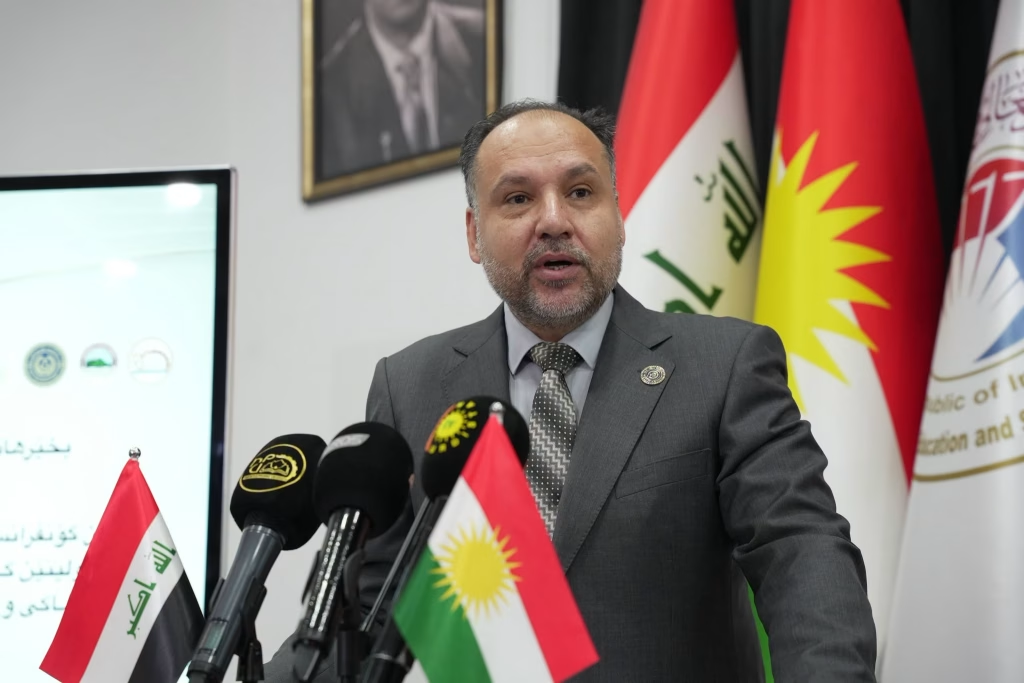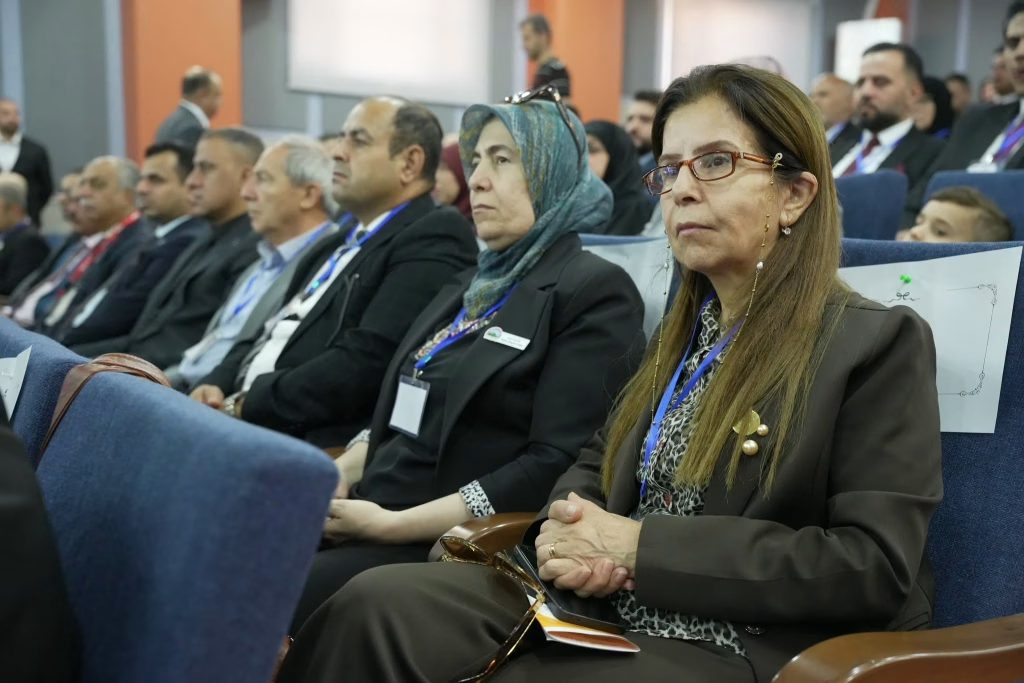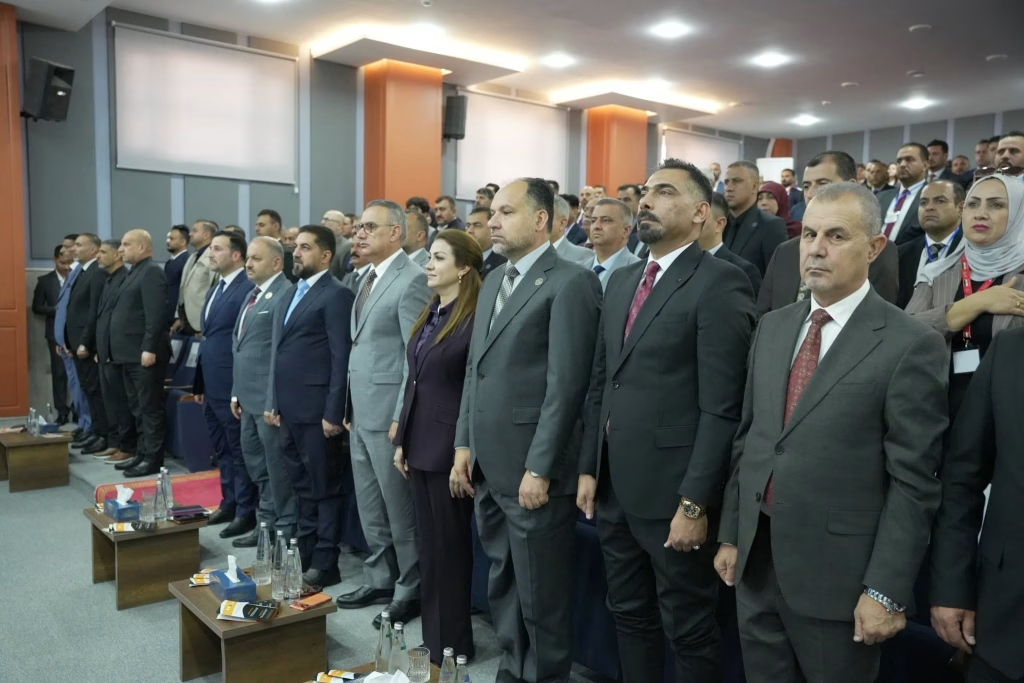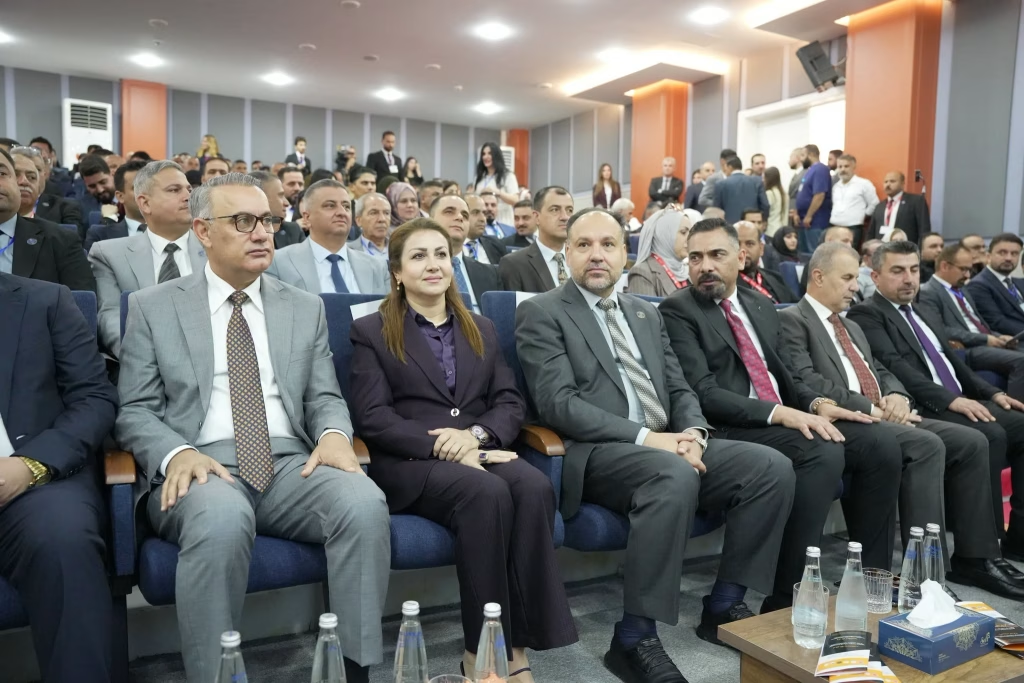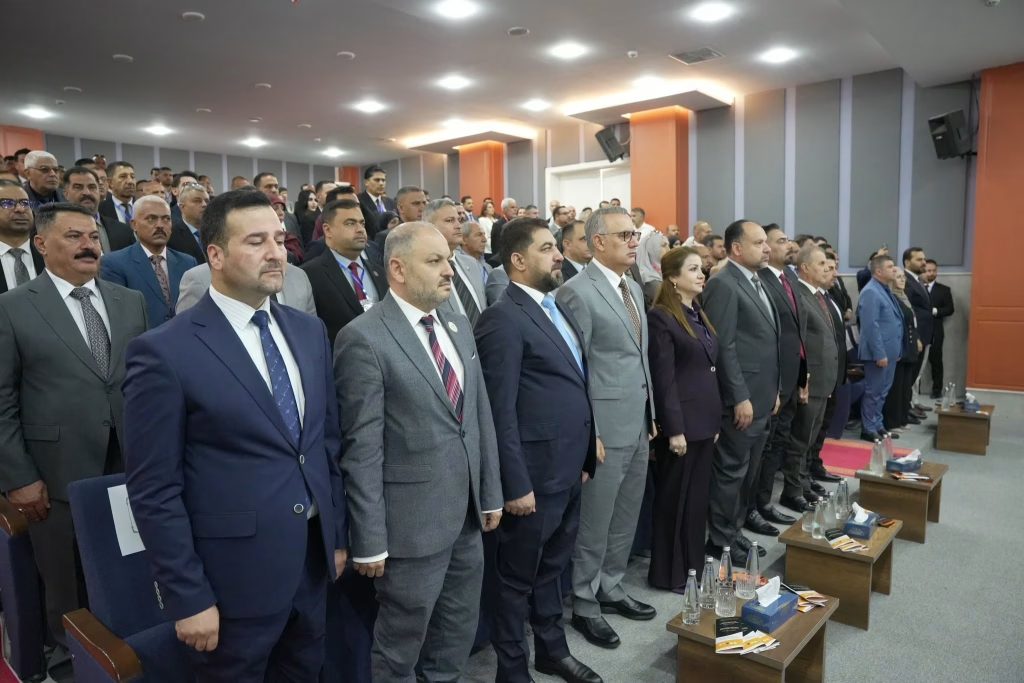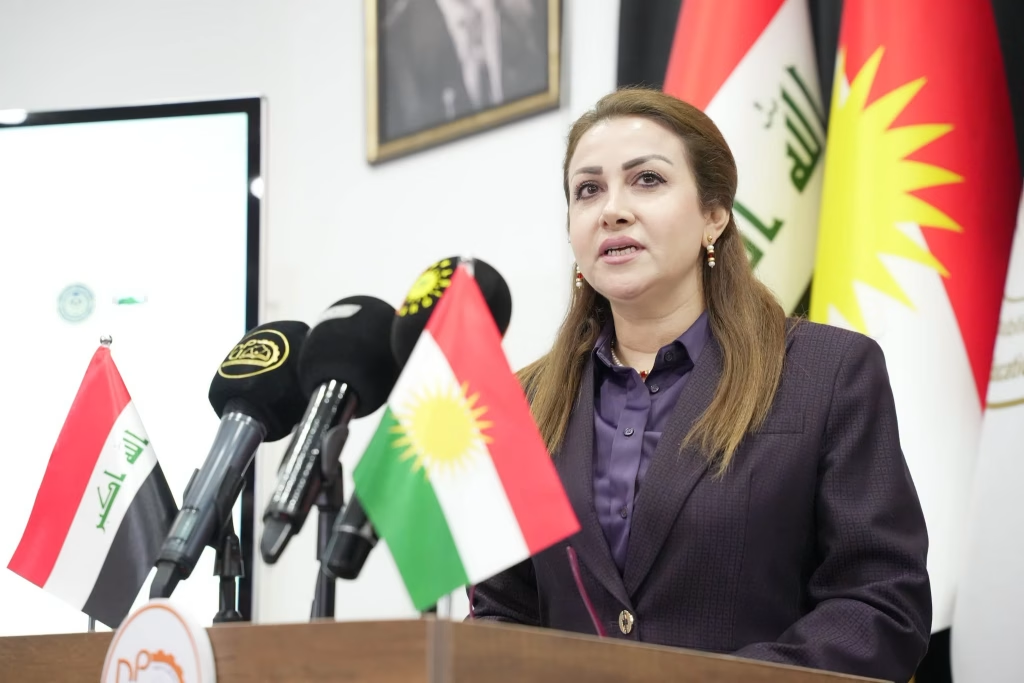
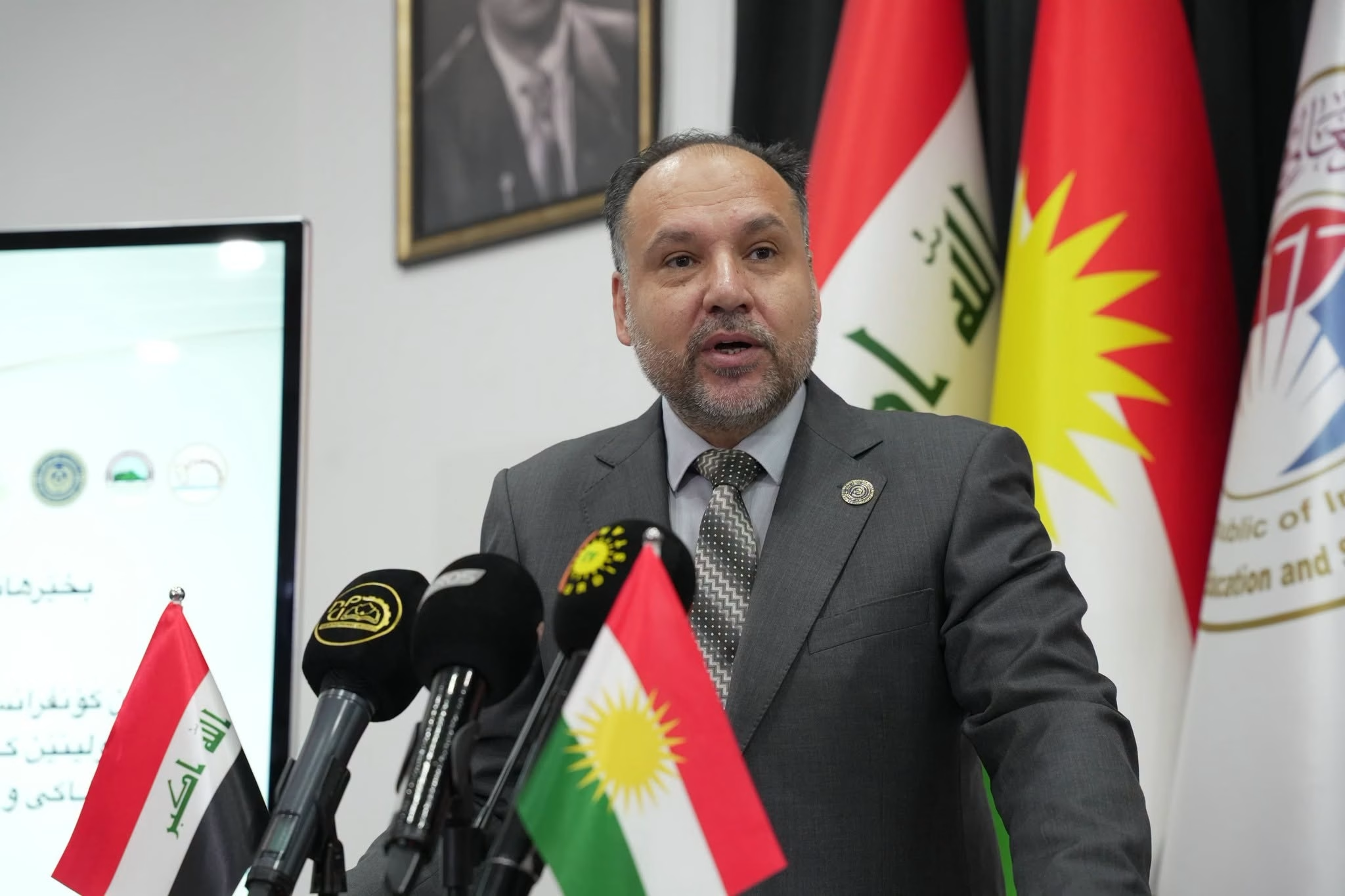
Under the patronage of the President of Al-Furat Al-Awsat Technical University, Professor Dr. Hassan Latif Al-Zubaidi, and under the direct supervision of the Dean of the Technical Institute of Najaf, Professor Dr. Haider Hassan Al-Abdali, the activities of the Second International Conference on Applied, Social, and Humanitarian Research were launched.
The conference was organized by the Waa’y Center for Consulting and Capacity Building, with wide participation from universities, governmental and private institutions, researchers, and academics from Iraq and several Arab countries.
As a scientific event aimed at promoting academic dialogue and exchanging expertise in the fields of digital transformation and sustainable development, the conference was held at Duhok Polytechnic University on the 8th and 9th of this month under the title:
“Smart Universities and Their Role in Achieving Sustainable Development Goals Across Various Disciplines”
and under the slogan:
“Digital Transformation in Smart Universities: A Driver for Sustainable Development and Building the Future.”
The conference witnessed distinguished academic participation, with researchers able to participate both in person and electronically. This provided the event with an international dimension and contributed to expanding scientific engagement and knowledge exchange among specialists from different countries.
The conference was held amid the rapid digital transformations taking place in the higher education sector worldwide. Smart universities have emerged as an advanced model for reshaping educational, research, and administrative systems through the adoption of digital technologies, intelligent systems, and artificial intelligence in managing academic institutions. This aligns with the Sustainable Development Goals adopted by the United Nations and contributes to building a more efficient, flexible, and future-oriented educational system.
The conference sessions featured a large number of high-quality research papers and specialized presentations addressing topics including digital transformation, artificial intelligence, e-governance, smart education, and multidisciplinary innovation. They also discussed successful international experiences in developing smart universities and highlighted the latest practices that contribute to enhancing education quality, advancing scientific research, improving institutional performance, and developing university services to serve society and meet labor market requirements.
The conference served as a distinguished scientific platform that brought together academics, researchers, decision-makers, and experts from various universities and scientific institutions to exchange visions, ideas, and experiences, showcase global best practices in digital transformation, and open new horizons for scientific cooperation and the establishment of strategic partnerships among universities, governmental institutions, the private sector, and international organizations. These efforts support sustainable development at local, regional, and international levels.
The conference sessions emphasized that building smart universities is no longer merely a technological option; rather, it has become a strategic necessity imposed by global transformations. Smart universities possess the ability to develop flexible learning environments, encourage creativity and innovation, and employ modern technologies in educational and research processes. This positively impacts the quality of higher education outcomes and enhances the competitiveness of academic institutions in global rankings.
The participants discussed a number of scientific and strategic objectives, including highlighting the concept of smart universities and their importance in developing contemporary higher education systems, exploring the role of smart technologies and artificial intelligence in improving education quality, scientific research, and community service, and examining the contribution of smart universities to achieving sustainable development goals in their economic, social, and environmental dimensions.
The conference also sought to enhance integration among scientific, humanitarian, and social disciplines to provide innovative solutions to development challenges, exchange successful experiences among universities and academic institutions in digital transformation and sustainability, support scientific research, innovation, and entrepreneurship to contribute to building a knowledge-based economy, and explore mechanisms for employing modern technologies in curriculum development, teaching methods, and academic assessment.
Furthermore, the conference aimed to strengthen partnerships and cooperation between universities, the public and private sectors, and international organizations to achieve sustainable development. Its activities included specialized scientific sessions and rich discussion panels addressing the key challenges and opportunities facing higher education institutions in the era of digital transformation.
Participants highlighted the importance of investing in digital infrastructure, developing human capabilities, and improving educational legislation and policies to ensure the establishment of smart universities capable of keeping pace with global developments and achieving sustainable development.
The conference concluded with a set of recommendations emphasizing the continued support of digital transformation projects in higher education institutions, expanding research cooperation among universities, encouraging innovation and scientific research, enhancing the use of artificial intelligence technologies in education and university administration, and strengthening the culture of sustainability as a fundamental pillar in shaping the future of universities and preparing generations equipped with knowledge, skills, and the ability to contribute to development.
This international conference reflects the importance of academic cooperation among scientific institutions inside and outside Iraq and highlights its role in exchanging expertise and producing knowledge. It contributes to the advancement of higher education, the consolidation of smart university concepts, and the achievement of sustainable development goals, paving the way toward a more advanced and sustainable academic future through the effective utilization of technology, innovation, and scientific research in the service of humanity and society.
Department of Media and Government Communication
Technical Institute of Najaf
Al-Furat Al-Awsat Technical University