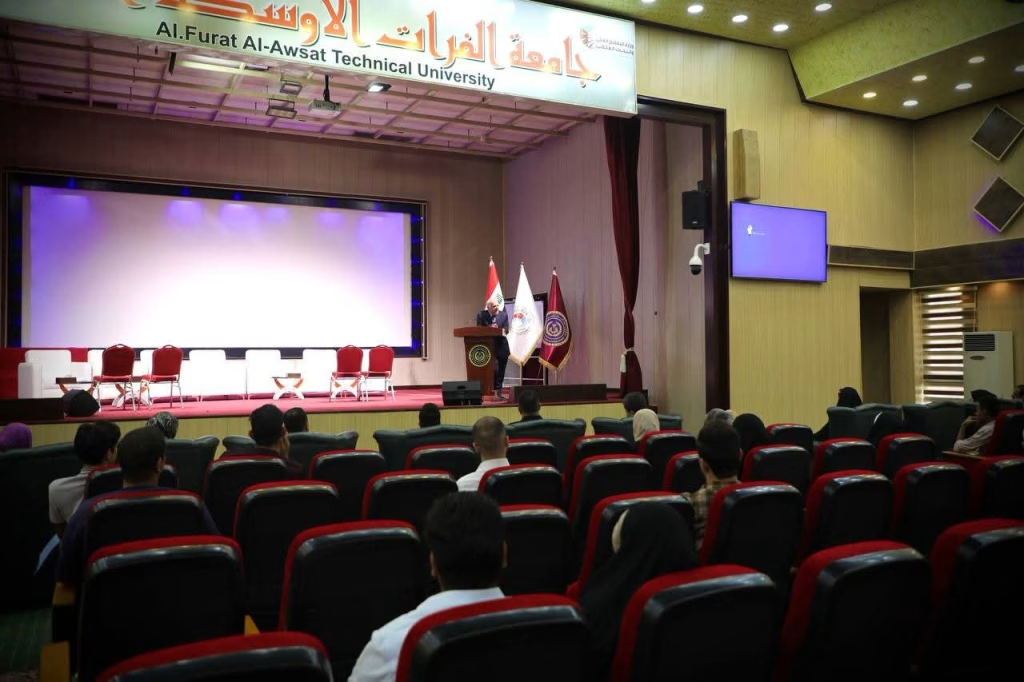
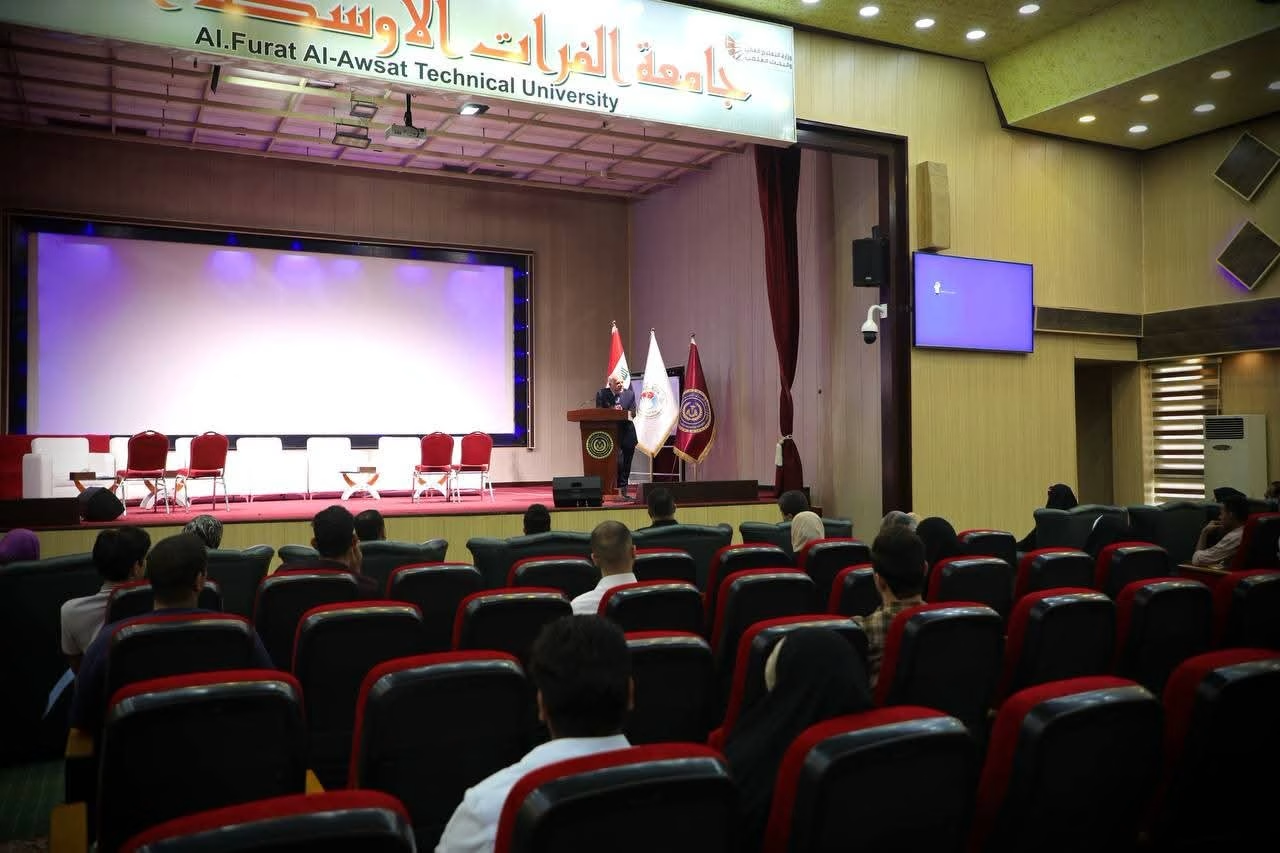
Al-Furat Al-Awsat Technical University Conducts Interviews as Part of the “Graduate Empowerment” Program in Cooperation with the Iraqi Federation of Industries – Najaf Branch
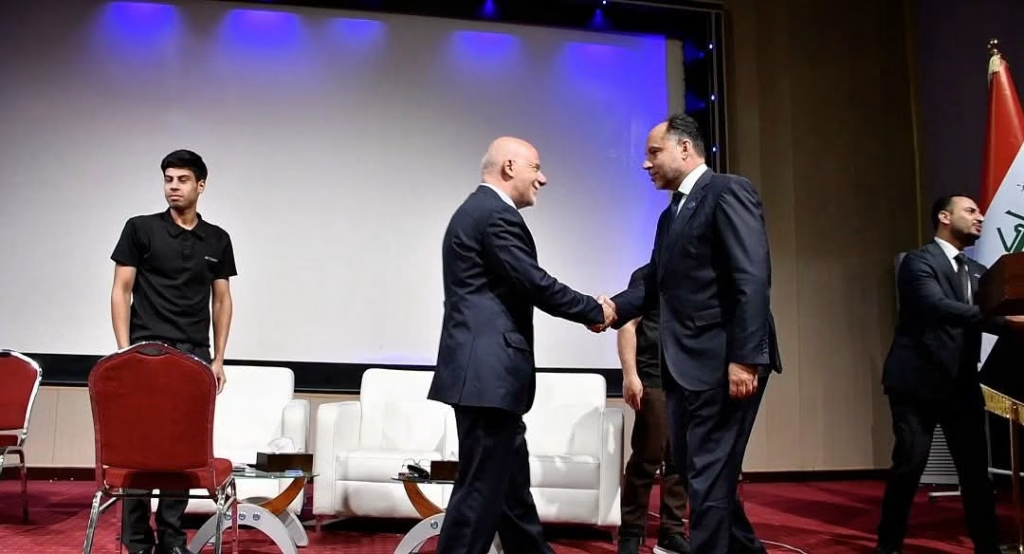
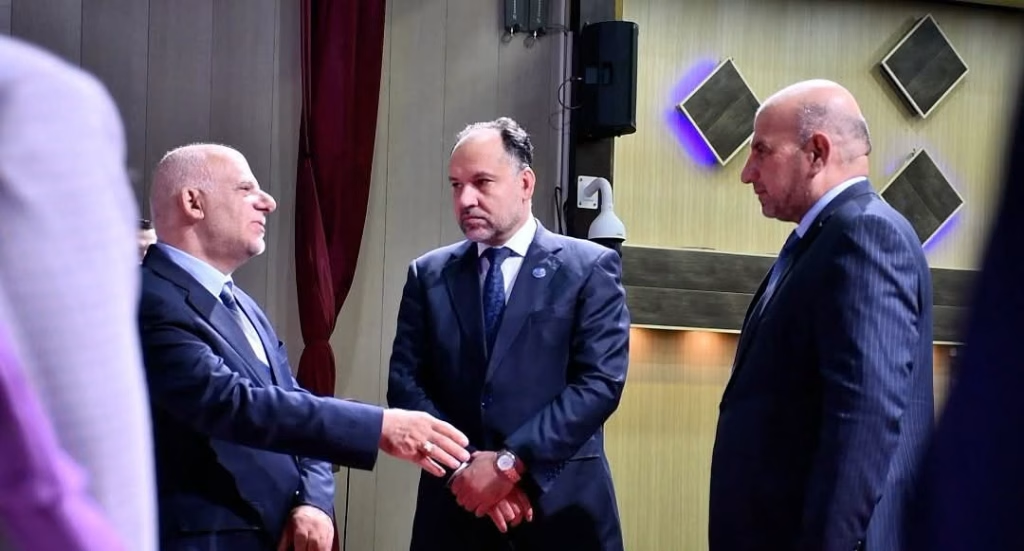
As part of its ongoing efforts to support its graduates and empower them to enter the labor market, and under the direction and in the presence of University President Prof. Dr. Hassan Latif Al-Zubaidi, with the supervision of Assistant University President for Scientific Affairs Prof. Dr. Ahmed Ghanem Wadi, and in the presence of economic expert and Advisor to the Iraqi Federation of Industries at the Najaf Chamber of Industry, Mr. Ali Yassin Al-Saabri, as well as international human development trainer Prof. Dr. Maher Hamid Majeed at Karbala Polytechnic College, the university organized a series of activities aimed at preparing graduates for employment.
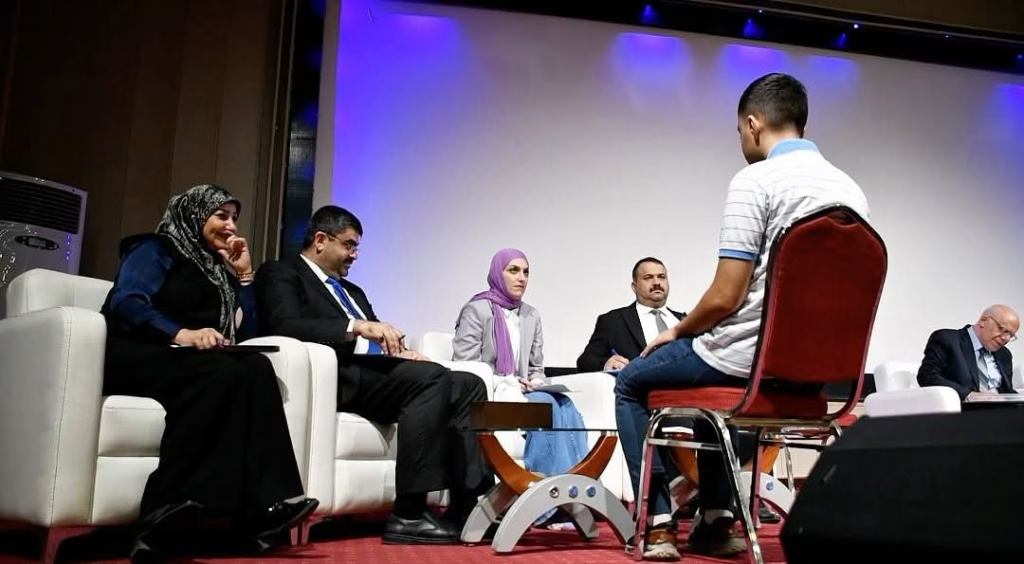
The Department of Science Parks – Rehabilitation, Employment and Follow-up Division at Al-Furat Al-Awsat Technical University, in cooperation with the Iraqi Federation of Industries – Najaf Branch, conducted interviews with a large number of graduates in preparation for their participation in a comprehensive one-month training program entitled “Empowering Graduates to Enter the Labor Market.”
The program aims to equip graduates with a range of skills that qualify them to work in the private-sector environment. The training covers soft skills, such as communication and teamwork, as well as Information Technology (IT) skills and awareness of workers’ rights in the private sector. It also includes specialized professional skills designed to open up employment opportunities for graduates in private factories and companies.
The interviews were attended by Prof. Dr. Khitam Shannan and Dr. Hussein Mustafa Rasul from the University’s Rehabilitation, Employment and Follow-up Division, along with a number of university professors. The applicants were evaluated to select the most suitable candidates to participate in the intensive training program.
This activity is part of the university’s policy of enhancing the alignment between educational outcomes and labor market requirements and building genuine bridges of cooperation with the industrial sector. It aims to reduce the unemployment gap among graduates and contribute to economic and social development by empowering young human resources.