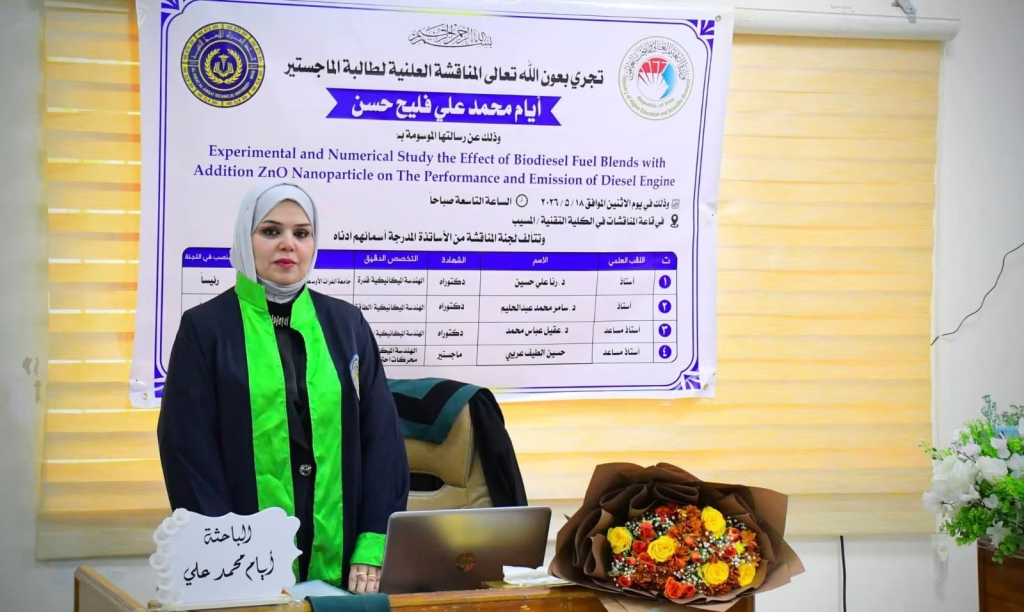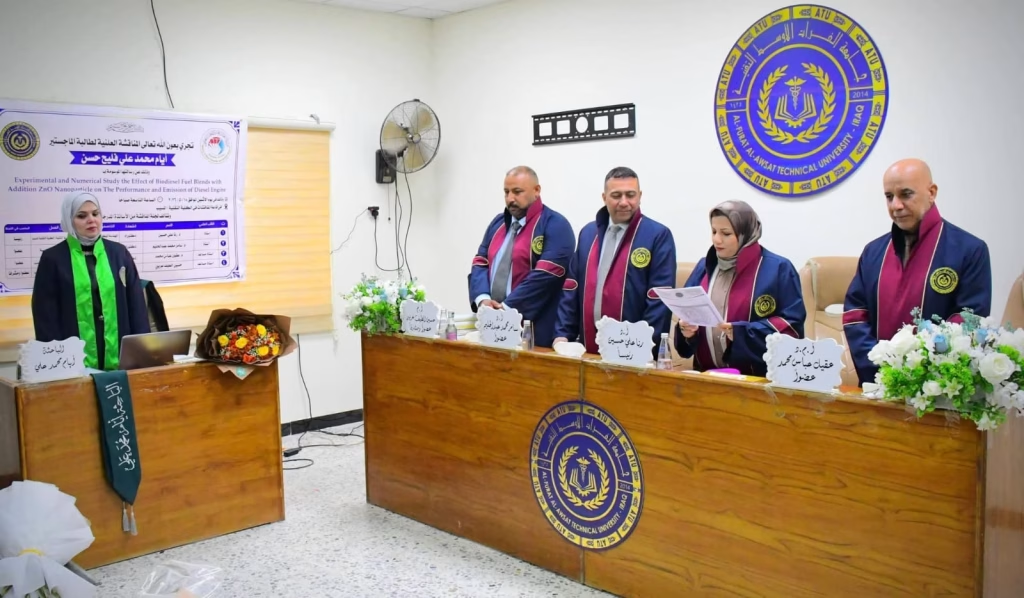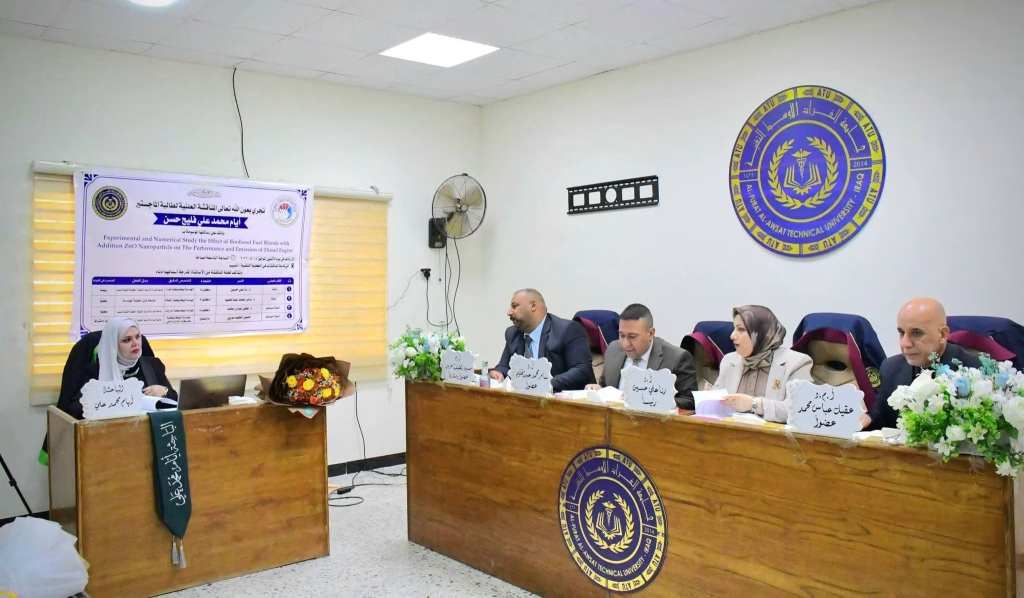
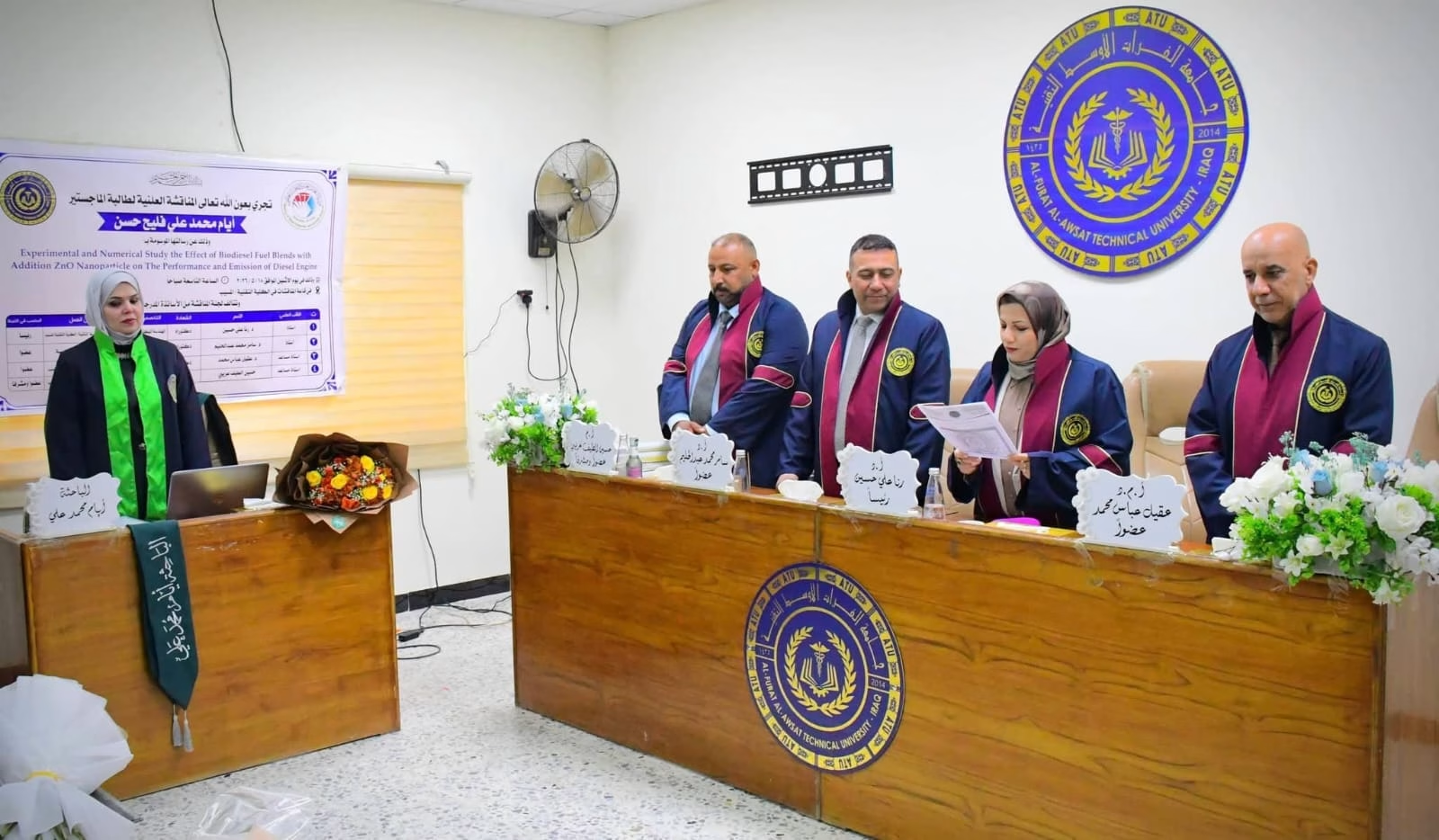
Al-Musayyib Technical College, one of the institutions affiliated with Al-Furat Al-Awsat Technical University, witnessed the defense of a master’s thesis submitted by the researcher Ayyam Mohammed Ali Faleh from the Department of Power Mechanical Engineering Technologies, entitled:
“Experimental and Numerical Investigation of the Effect of Biodiesel Blends with Zinc Oxide Nanoparticle Additives on the Performance and Emissions of a Diesel Engine.”
The study aimed to investigate the combined effect of zinc oxide nanoparticles (ZnO) when blended with diesel–biodiesel fuel on the overall performance and emissions of a single-cylinder diesel engine, based on Artificial Neural Network (ANN) modeling.
The experimental results demonstrated that the addition of ZnO nanoparticles contributed significantly to improving combustion performance. A concentration of 100 ppm achieved the best performance by increasing the brake thermal efficiency (BTE) by 4.9% for B10 blends and by 16.5% for B20 blends, while reducing the brake-specific fuel consumption (BSFC) by 34% under high-load conditions.
The study also revealed that higher concentrations (200 and 250 ppm) were more effective in reducing pollutants, particularly nitrogen oxides (NOx), which decreased by approximately 60–65% for B20 blends. This reduction was attributed to enhanced oxidation processes, improved fuel atomization, and better regulation of peak combustion temperatures.
The thesis recommended adopting biodiesel blends enhanced with ZnO nanoparticles as an environmentally viable and practically applicable alternative fuel for diesel engines. It also emphasized the use of Artificial Neural Network modeling as an effective tool for predicting engine performance and emissions, thereby supporting the development of nano-enhanced biodiesel fuels.