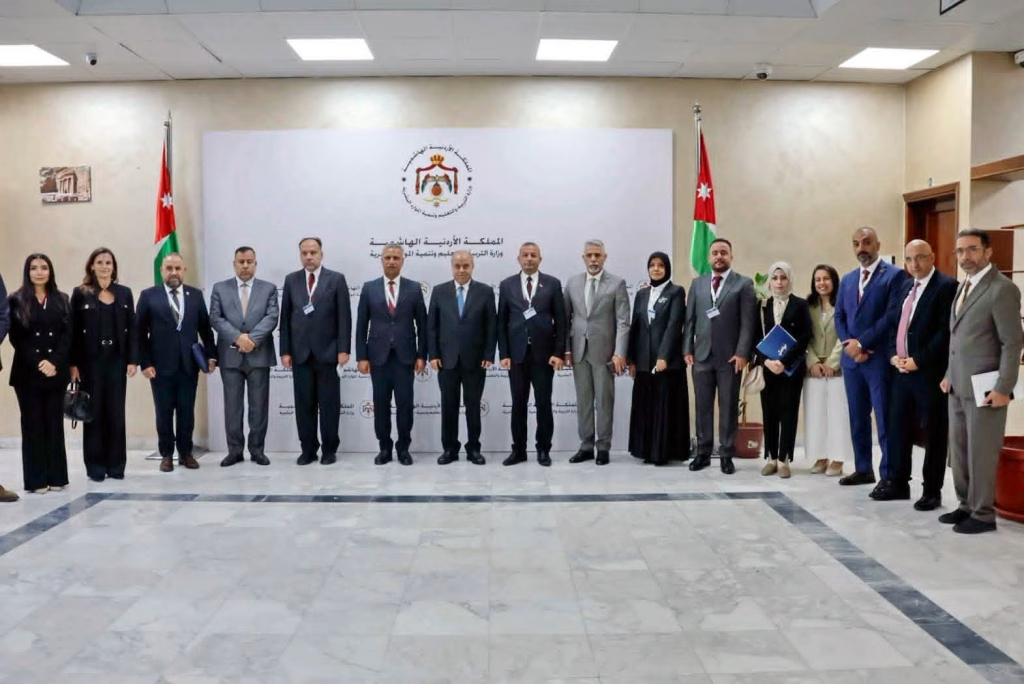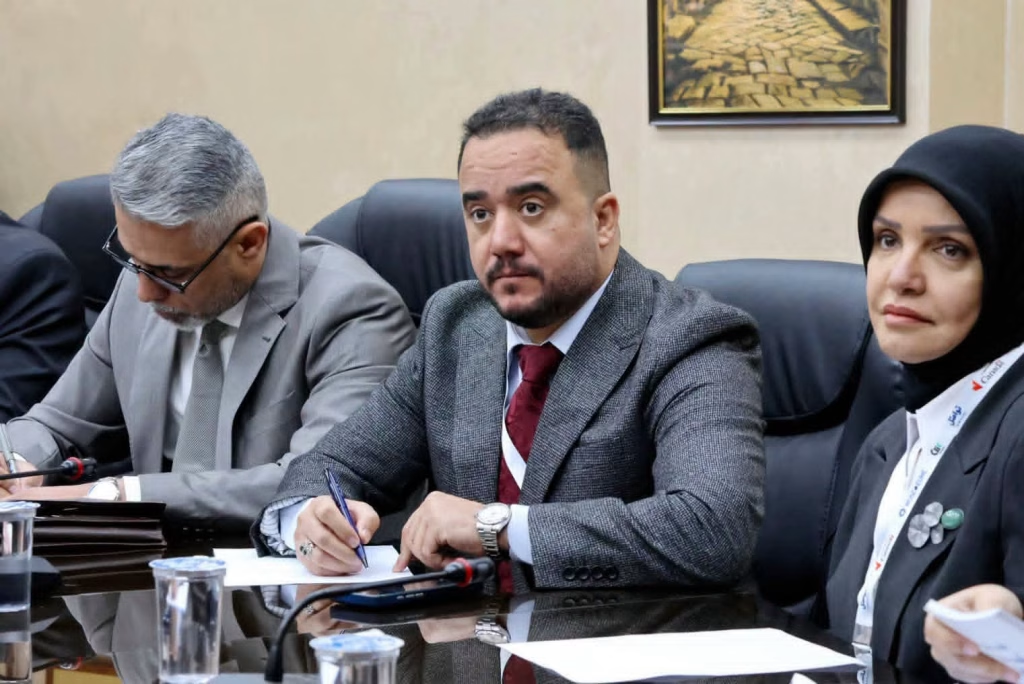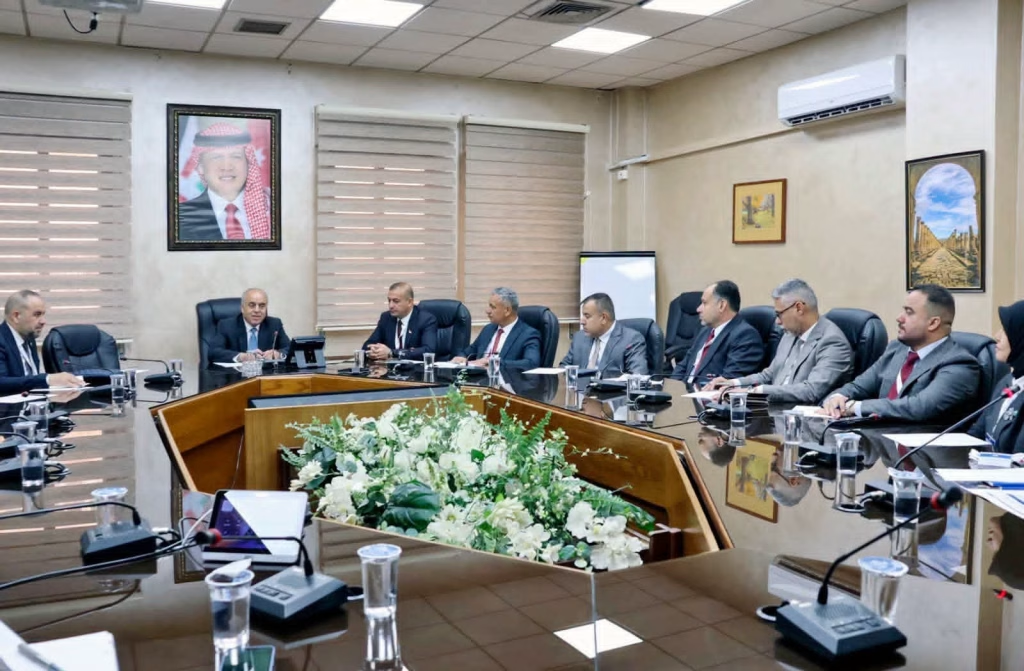
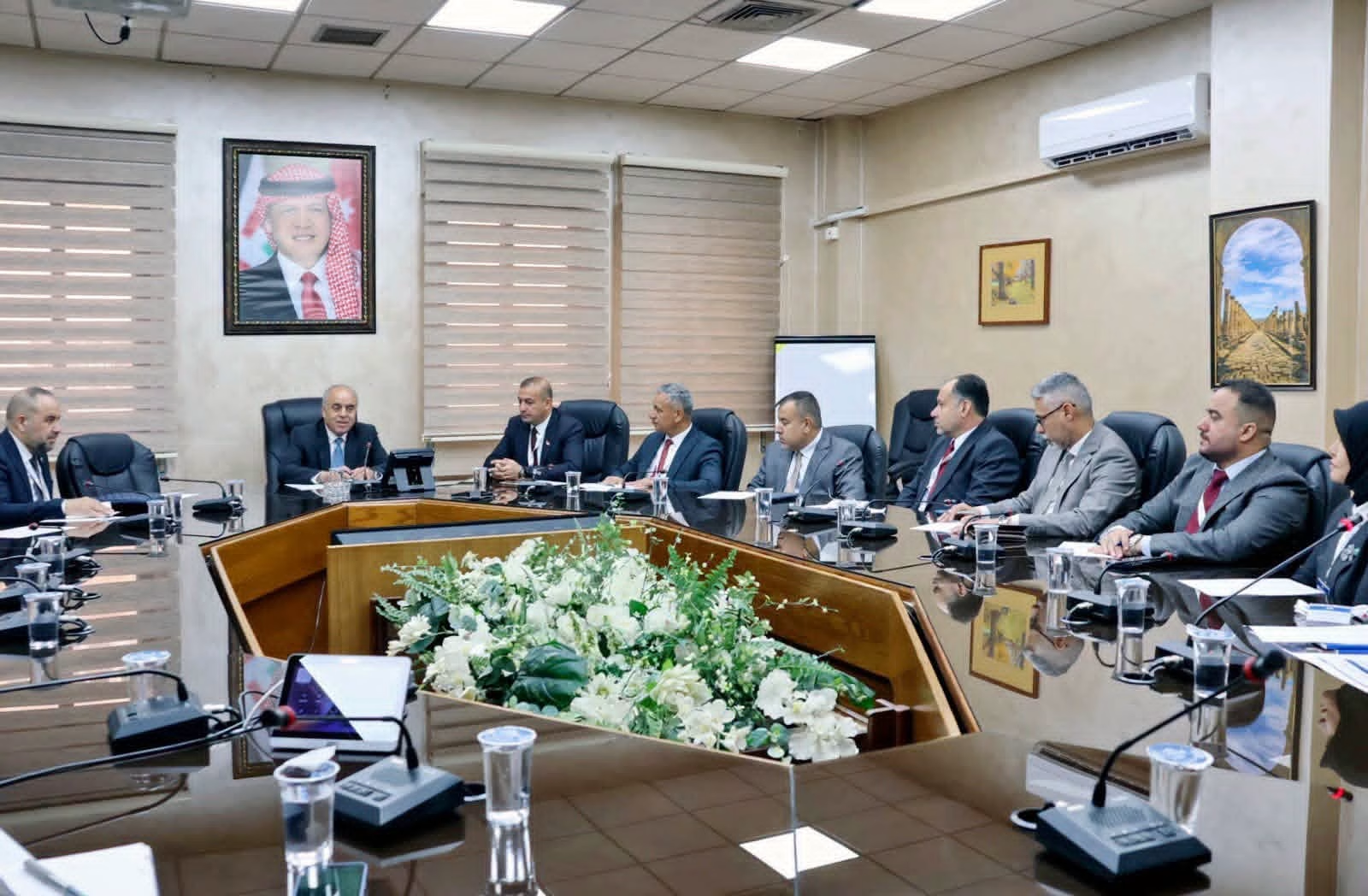
In a significant Iraqi academic initiative on the international stage, Professor Hassan Latif Al-Zubaidi, President of Al-Furat Al-Awsat Technical University, met in the Jordanian capital, Amman, with His Excellency Professor Azmi Mahmoud Mufleh Al-Mahafzah, Jordan’s Minister of Education and Human Resource Development, to explore prospects for joint scientific and cultural cooperation and the advancement of the technical education system.
The meeting was held as part of a high-level academic delegation headed by Professor Waddah Amer Al-Tamimi, President of the Middle Technical University, and comprising the presidents of the four technical universities. The visit took place within the framework of a study tour organized by the Tawasul Project, funded by the Government of Canada.
The meeting was attended by several senior ministry officials, including the Director General of the Department of Scholarships and Cultural Relations, the Head of the International Organizations Division and her deputy, and the Director of the Ministry’s Women’s Affairs Division.
The strategic discussions focused on developing a new roadmap to strengthen integration between technical education institutions and ministries responsible for human resource development. The participants also explored shared visions for advancing technical and vocational education in line with the requirements of the future labour market and the evolving skills landscape, while aligning educational pathways with sustainable human development.
Both sides further discussed mechanisms for aligning the outcomes of technical education with the needs of key development sectors and equipping technical and engineering personnel with modern skills and technologies that would enable them to compete at both regional and international levels.
With regard to international cooperation, Professor Hazim Baqir, Director General of the Department of Scholarships and Cultural Relations, discussed ways to expand academic and scientific partnerships through the Department of Scholarships and the International Organizations Division. These partnerships are intended to create opportunities for specialized training and scholarships, as well as to modernize curricula and educational programmes in collaboration with leading international institutions.
Women’s empowerment also featured prominently in the discussions. The participants emphasized the pivotal role of the Women’s Affairs Division in supporting and promoting initiatives aimed at empowering female personnel, academic leaders, and female students in engineering and applied science disciplines.
The meeting concluded with an agreement to maintain direct coordination and establish joint working teams to follow up on the implementation of the understandings reached and the proposed initiatives, translating them into tangible programmes that contribute to the development of human capital in both brotherly countries.