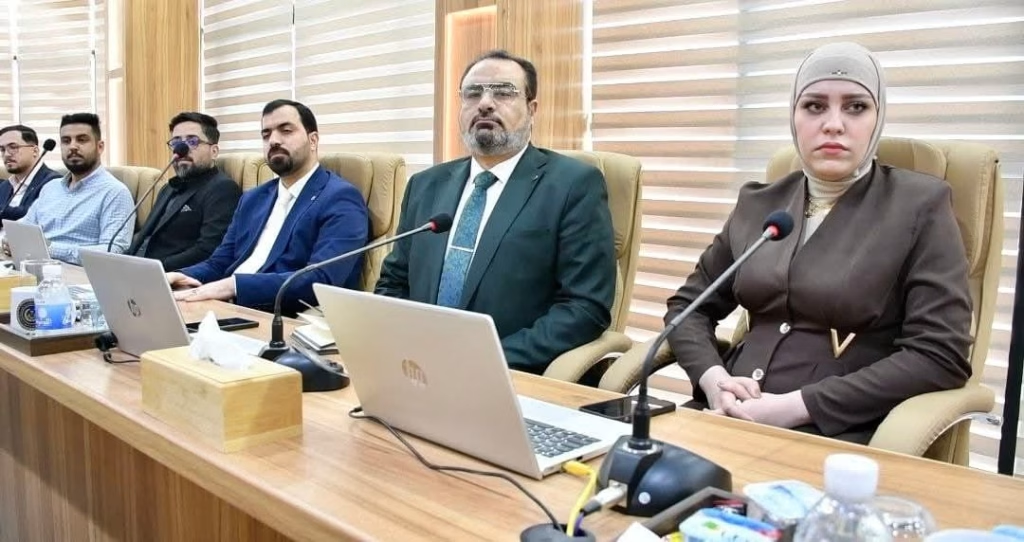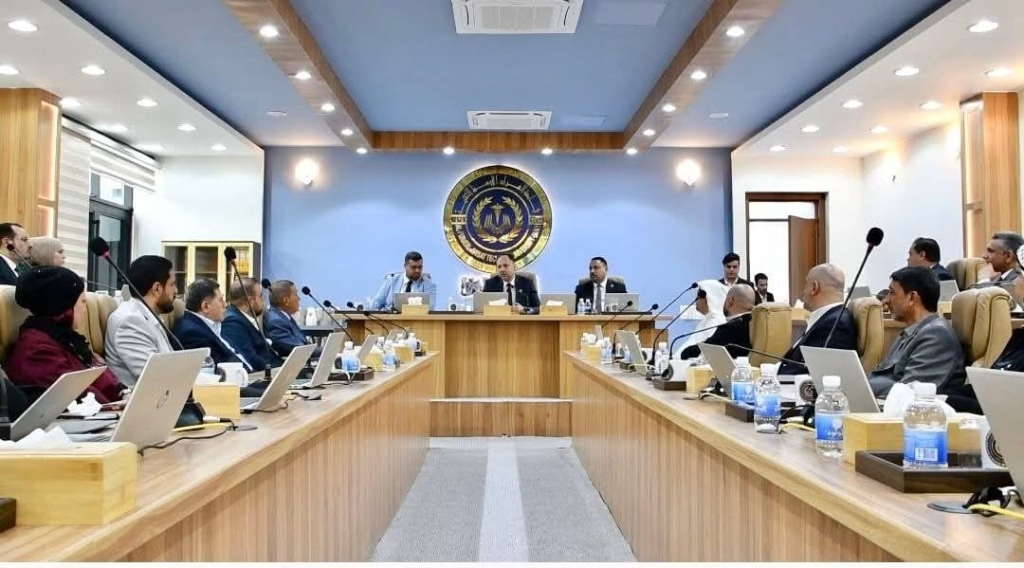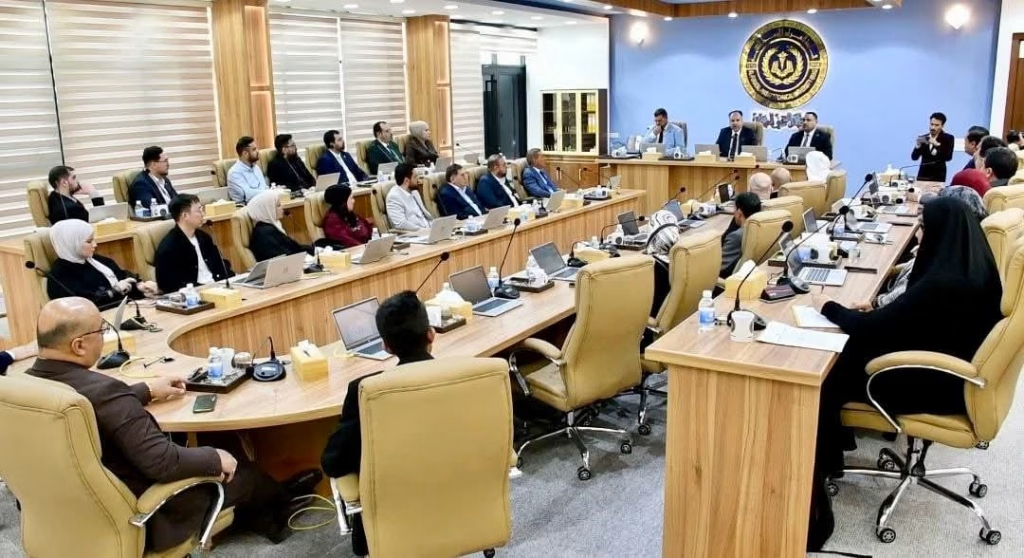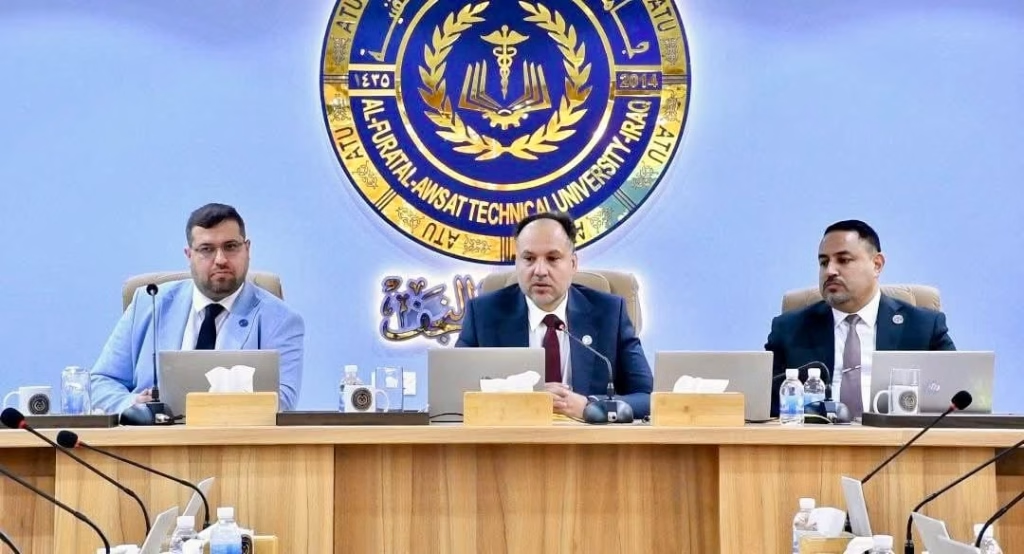

On the sidelines of the Entrepreneurship and Innovation Week, launched under the slogan “From the Land of Mesopotamia, Ideas Emerge,” and under the patronage and in the presence of the President of Al-Furat Al-Awsat Technical University, Professor Dr. Hassan Latif Al-Zubaidi, the University convened a meeting of the “Industrial Advisory Council.” The meeting brought together a distinguished group of deans and department directors from the University’s constituent units, alongside representatives from the Ministry of Industry and Minerals, the ministerial team, and private sector owners and companies. The event embodied the University’s vision of consolidating a genuine partnership between the academic and industrial sectors in support of innovation and in alignment of educational outcomes with the actual needs of the labor market.
During the meeting, a comprehensive review was presented of the activities of Global Entrepreneurship Week held across the University’s campuses, highlighting the most significant achievements attained and the challenges encountered. Developmental proposals aimed at advancing these activities in the future were also discussed, with a view to fostering an entrepreneurial culture among students and staff members.
In his address, the University President emphasized the importance of the Ninth Amendment to the Law of the Ministry of Higher Education and Scientific Research, underscoring the necessity of leveraging such legislation to establish start-up companies. He further unveiled the University’s ambitious plan to found a forward-looking technology incubator that would serve as a nurturing environment for entrepreneurial ideas and productive projects contributing to community development.
In the same context, the Head of the Technology Incubators and Ecosystem Division, Assistant Professor Dr. Amir Hussein Mohammed, delivered a detailed presentation summarizing the Entrepreneurship Week activities. The presentation included precise figures on the training programs implemented and the numbers of students and staff beneficiaries, in addition to statistics on media coverage, reach, and engagement rates across the University’s social media platforms. This was followed by an in-depth discussion session with employers and company representatives on mechanisms to enhance employment opportunities and reduce the gap between the skills acquired by graduates and the evolving requirements of both local and international labor markets.